Products You May Like
Ancient Egyptian princesses actually knew how to use the weapons they were buried with, according to a new study published in Frontiers in Environmental Archaeology.
Any doubts around the women’s prowess with the weapons – which include daggers, bows, and maces – have been quashed by a new analysis of the princesses’ long-lost mummified remains.
At the apex of the 1890s Egyptomania craze, French archeologist Jacques de Morgan discovered the 4,000-year-old bodies within the Dahshur pyramid complex.
In 1895, scientific investigations were carried out on the two most high-ranking royals in the burial complex, King Hor and Princess Noub-Hotep.
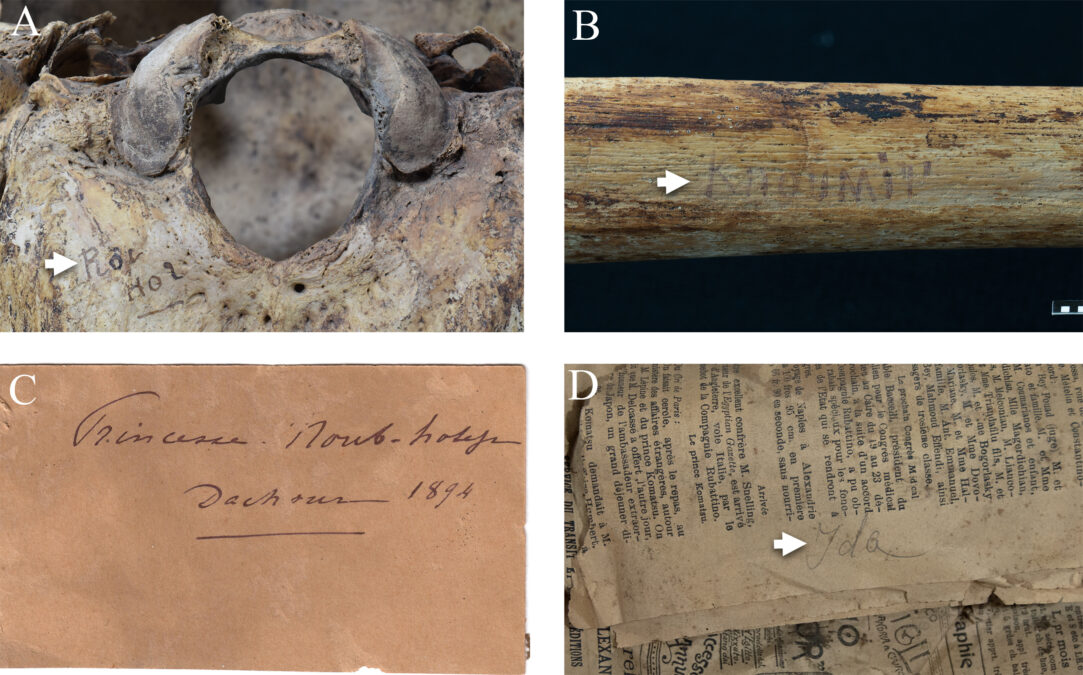
In 1915, the Dahshur bodies were brought to the Egyptian Museum in Tahrir, where they were left in a wooden box and forgotten for over a century.
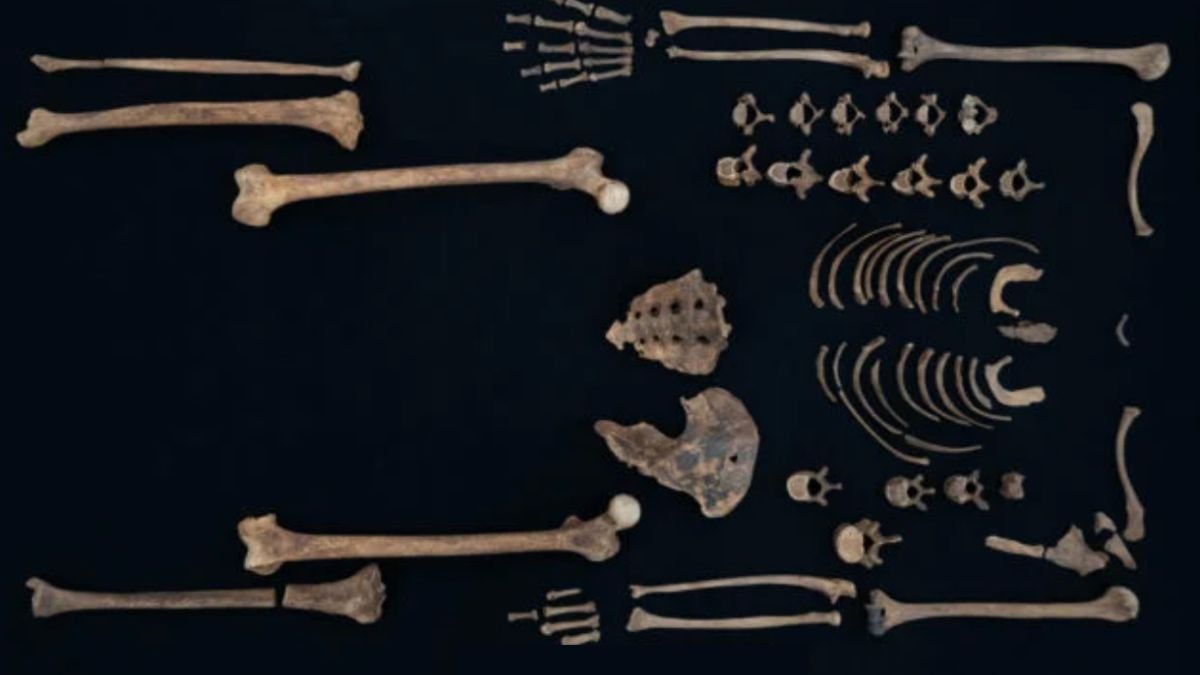
Then, in 2020, Zeinab Hashesh, an archaeologist at Beni-Suef University in Egypt, rediscovered the remains: King Hor and Princess Noub-Hotep, Princess Itaweret, Princess Khenmet, Princess Ita, and another female skeleton whose identity remains unknown.
“Early curators at the Egyptian museum gave the whole box only one number and described it as ‘human remains’. That’s it,” Hashesh told ScienceAlert.
The women’s skulls are still nowhere to be seen.
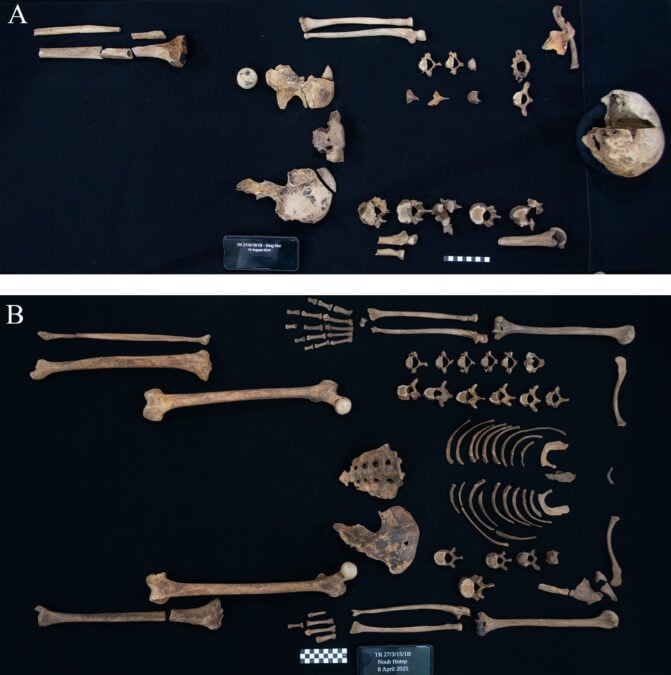
“In 1906, the crania (skulls) were separated from the bodies and sent to the Cairo School of Medicine for examination,” Hashesh adds.
“They were eventually lost, which made a complete assessment of the individuals impossible for later researchers.”
Now, Hashesh and her colleagues have re-examined the bodies, analyzing bone features along with X-rays to better understand the lives of these ancient people.
“Finding and analyzing these skeletons after they had spent 130 years in a box was a profoundly moving experience. As scientists, we felt a sense of responsibility to finally give a ‘voice’ to these individuals who were central to the Middle Kingdom royal court,” Hashesh said.
“There was a mix of scientific excitement and a sense of historical justice in proving that these women were more than just the silent, decorative figures they had been assumed to be.”
Turns out, these long-lost women were actually kind of formidable.
“These were not just symbolic gifts but tools they actively used.” – Zeinab Hashesh
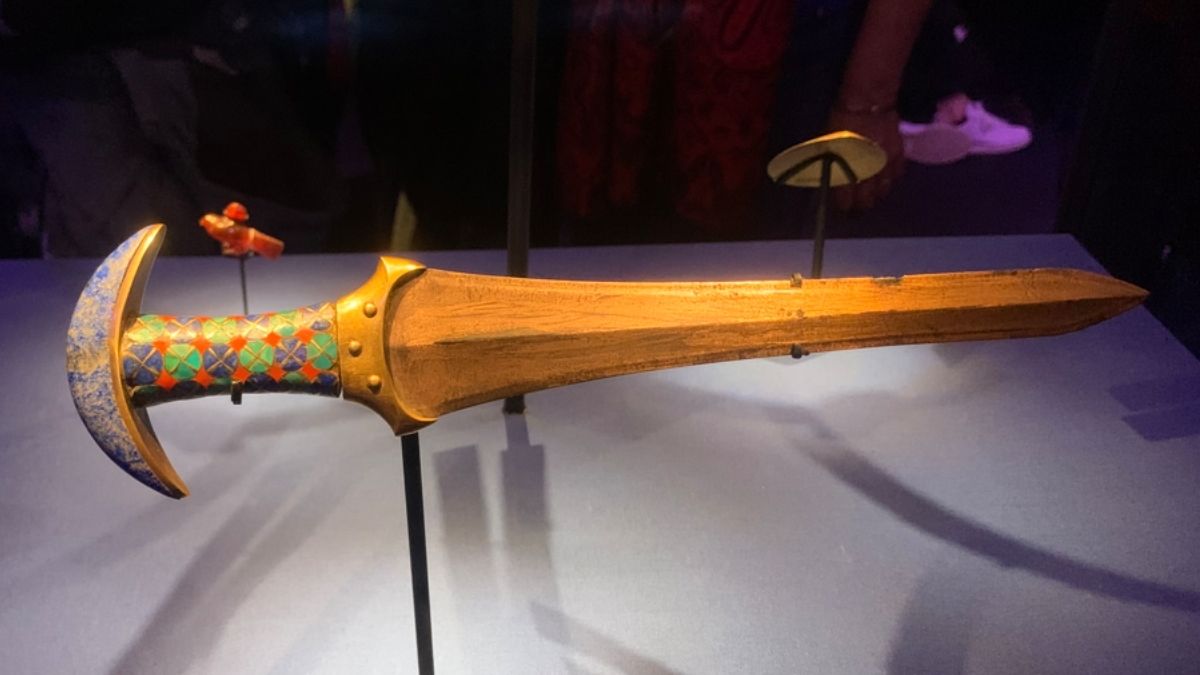
They were buried with a powerful arsenal of weapons, traditionally associated with males – something that really confused French egyptologists back in 1894 – and which archaeologists have continued to dismiss as “purely symbolic or ‘votive’ tokens for the afterlife,” Hashesh said.
There’s plenty of evidence the princesses knew how to use them, based on the state of the muscle attachments on their bones, and the signs of injuries these women sustained in life.
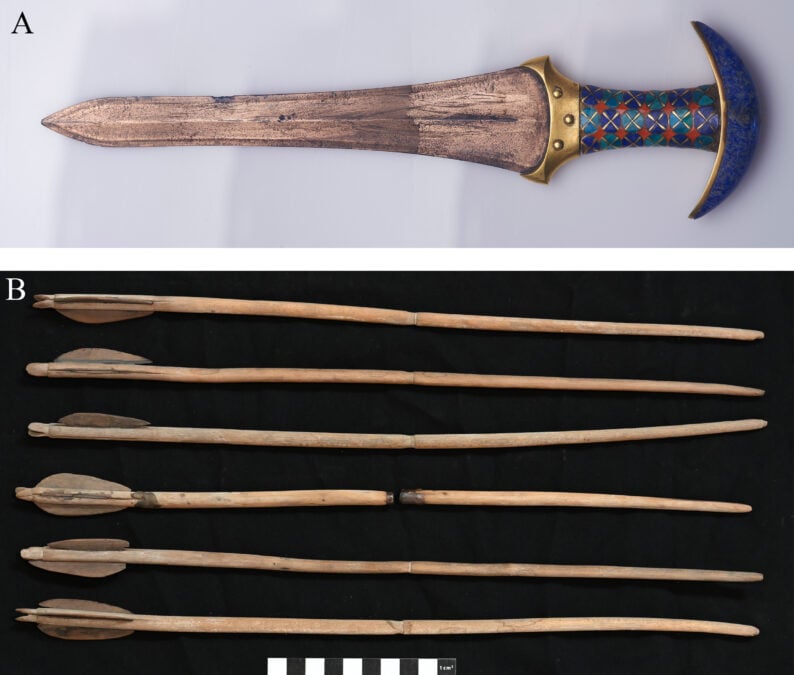
The princesses’ bones developed to sustain heavy muscle use that corresponds directly to the weapons that were found buried with them in their tombs.
For instance, Princess Noub-Hotep and the king both have the kind of robust muscle attachments you see in skilled archers.
“We found pronounced development in the upper limbs of these individuals, which correlates to repetitive, high-intensity actions like pulling a bowstring or stabilizing a weapon, proving these activities were habitual throughout their lives,” Hashesh says.
“This directly explains the presence of bows, arrows, and maces in the women’s tombs; these were not just symbolic gifts but tools they actively used.”

The other princesses bear similar signs of a life of weapon-wielding, for activities like archery and hunting.
“Princess Ita was a young woman aged between 28 and 34 with strong upper-body muscle attachments, suggesting she habitually used weapons like maces or daggers,” says Hashesh.
“Princess Khenmet was a woman in her late 30s or 40s who showed signs of thinning bones, but had very robust ligament attachments.
“Princess Itaweret was a young woman aged between 20 and 34 who survived broken ribs and foot fractures; her skeleton shows she was a skilled archer.”
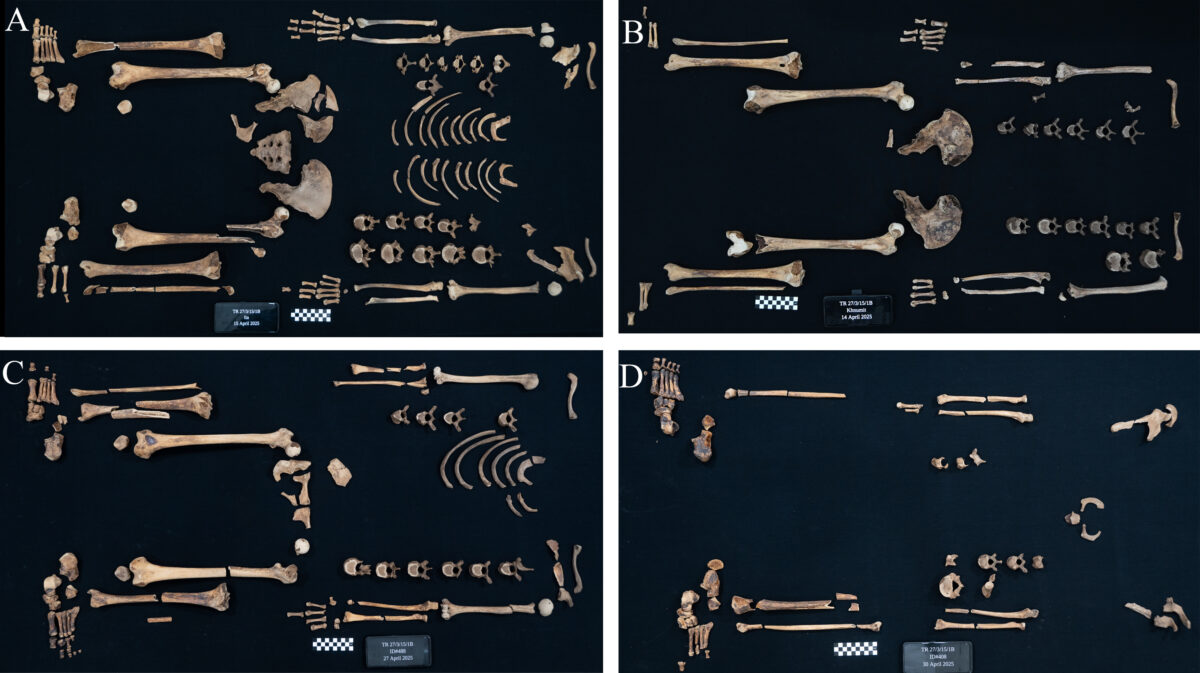
This was not a sedentary royal family: they kept up their physical activity throughout their lives.
Related: Ancient Egyptian Mummy Found Wrapped In Something Never Seen Before
Hashesh explained that their training may be linked to ancient Egyptian beliefs about the afterlife: that with proper training, it was possible for the spiritual body to survive beyond death.
“These women held the title mesu-nisut (‘King’s Children’), and their presence was integral to the ritual regeneration of the divine king,” Hashesh told ScienceAlert.
“Far from leading sedentary lives of luxury, they were well-conditioned athletes and skilled practitioners of archery and martial arts hunting.”
“In the elite sphere of Dahshur, these princesses were viewed as active ritual agents. They were not imitating men; rather, their royal blood and their role in the ‘machine for surviving death’ required them to be disciplined, powerful actors capable of wielding skilled force,” she said.
It’s an incredible example of just how much we can learn from what is left behind – and that some of the most exciting discoveries might be hiding in the basement, waiting to be seen with fresh eyes.
The research was published in Frontiers in Environmental Archaeology.
This article was fact-checked by Rachel Garner and edited by Michael Irving. While we pride ourselves on our process, we are only human. If you spot a mistake, please let us know.