Products You May Like
While Prometheus proved divisive when the Alien prequel was first released in 2012, time will be kinder to the movie than to its more straightforward 2024 sequel, Alien: Romulus. Say what you will about the work of Fede Alvarez, but the director can work wonders with a horror franchise that is struggling. His 2013 reboot, Evil Dead, was a lean, dark possession horror that pushed the boundaries of its R rating and reintroduced a level of unapologetic brutality to the series that had been absent since 1981’s original The Evil Dead.
Although 2022’s Texas Chainsaw Massacre was a complete misfire, Alvarez only had a “Story By” credit on that disaster, and his 2024 Alien reboot, Alien: Romulus, did an incredible job of simultaneously rebooting the iconic sci-fi horror franchise while also making sense of its knotty lore. Where Disney+’s Alien series, Alien: Earth, straight up disregarded much of the franchise’s canon and continuity, Alien: Romulus painstakingly ensured that the events of Prometheus lined up with those of Alien and Aliens.
Despite these admirable efforts, however, I wouldn’t be surprised if Prometheus ends up having a bigger cultural impact than Alien: Romulus in the long run. Ever since director Ridley Scott’s original 1979 masterpiece Alien, the series has struggled to expand on the mythology of the Xenomorph, with every sequel after James Cameron’s classic Aliens taking the series in midguided new directions. As befits a movie set between Alien and Aliens, Alien: Romulus made sense of the series and worked as a standalone story, but didn’t break much new ground for the franchise.
Prometheus Broke New Ground For Alien

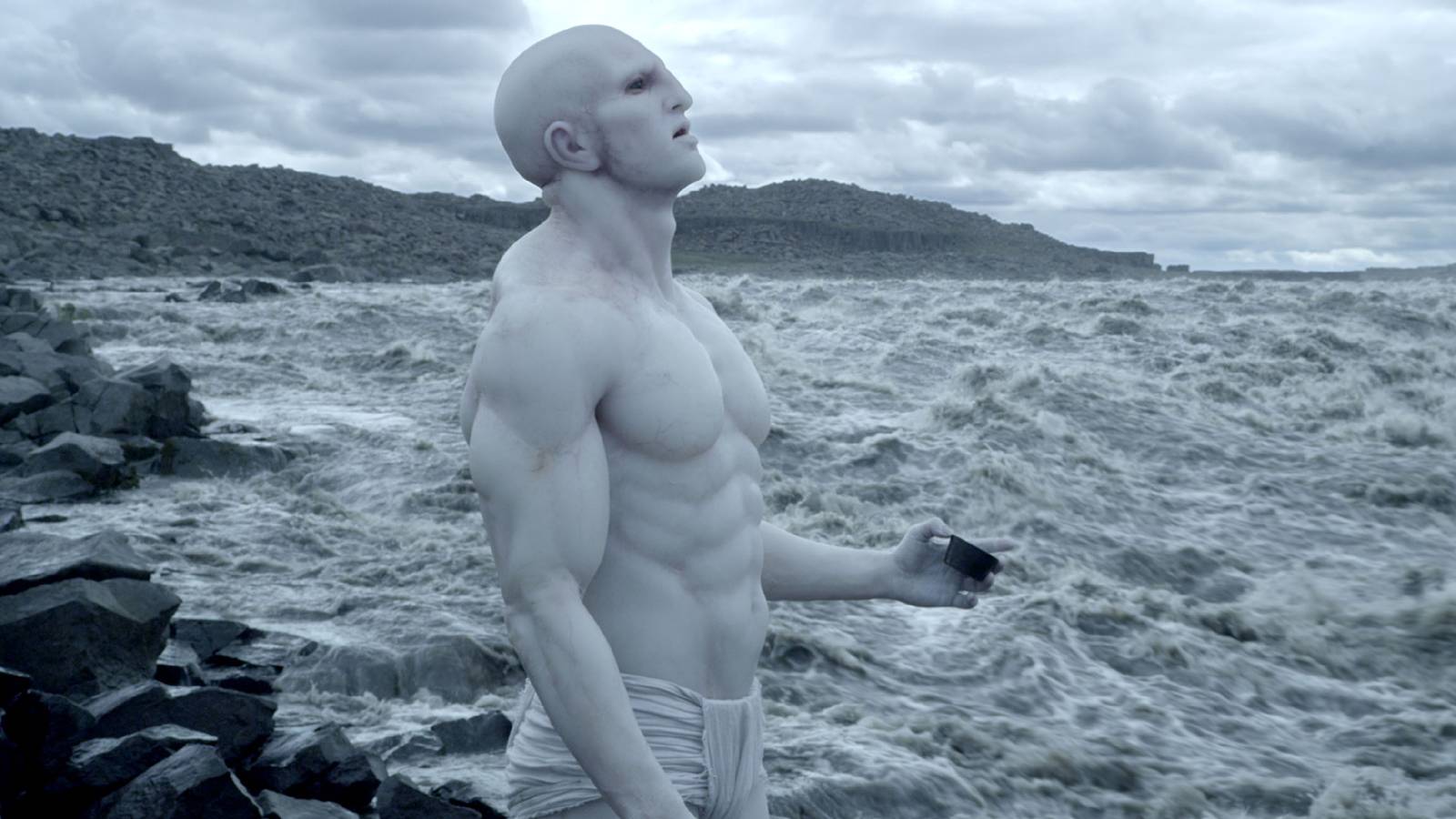
In contrast, for all the movie’s flaws, Scott’s ambitious prequel Prometheus undoubtedly took the series to some daring new places. From its grandiose opening sequence, in which one of the Engineers seemingly self-annihilates and potentially creates humanity in the process, to its gruesome, surreal third-act Xenomorph pregnancy, Prometheus was nothing if not ambitious. Ambitious to a fault, admittedly, but that is relatively easy to forgive thanks to its immersive visuals and otherworldly tone.
Although the movie isn’t a straightforward horror by any means and its runtime is undeniably laggy, Prometheus deserves props for feeling as much like an entry into Ridley Scott’s other influential sci-fi franchise, Blade Runner, as it does just another monster movie. There is an entire unseen mythos to Prometheus and viewers repeatedly get intriguing glimpses of this imagined reality throughout the movie, where most of the other Alien sequels stick to simply clarifying the franchise’s existing lore.
Alien: Romulus Was The Comeback The Franchise Needed

To be clear, Alien: Romulus was the uncomplicated comeback that the series needed. Scott’s Prometheus follow-up, Alien: Covenant, made the story of Prometheus even more confusing and discordant, meaning Alvarez was right to devote a substantial chunk of his movie’s runtime to clarifying the franchise’s many plot holes.
The fact that the director also managed to offer viewers a tense, genuinely thrilling, and surprisingly unsparing siege horror in the process is a testament to his talents. However, for viewers who couldn’t care less about the Alien franchise’s lore but want the series to offer more insight into the eerie, lived-in world of 1979’s Alien, Prometheus is the more memorable outing. From its bizarre setting to the gruesome fates of its characters, the prequel feels entirely unpredictable and original.
Admittedly, not everything works in Prometheus, and Scott’s prequel lacks the slick efficiency of Alvarez’s sequel. However, not despite, but because of this very same shagginess, Prometheus feels like a callback to the ambitious, experimental sci-fi movies of the ’70s, where clear answers were in short supply. Trippy, ambitious, and refreshingly pretentious for a Hollywood horror movie, Prometheus proved the Alien series could tackle big ideas, while Alien: Romulus proved it could also provide a straightforward crowd-pleaser.

- Release Date
-
June 8, 2012
- Runtime
-
124 minutes
- Writers
-
Jon Spaihts, Damon Lindelof, Ronald Shusett, Dan O’Bannon
- Producers
-
David Giler, Walter Hill