Products You May Like
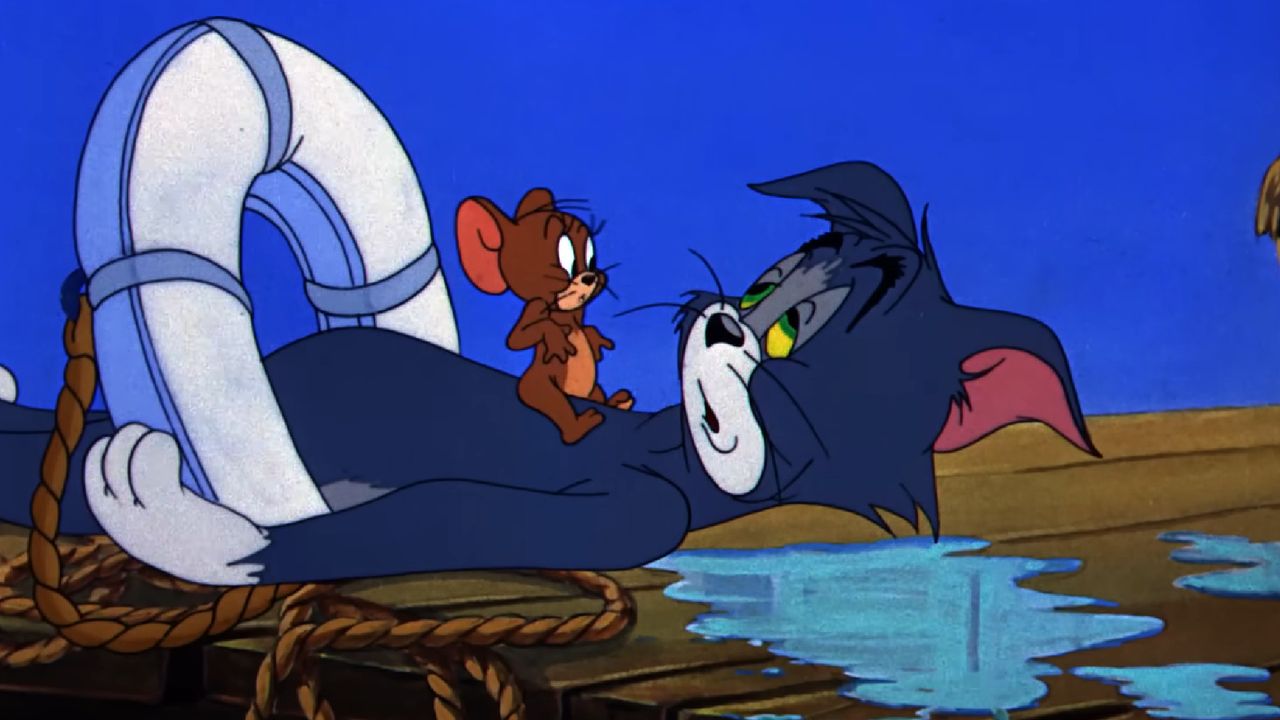
For about as long as video games have existed, developers have been chasing the dream of realism. And, for just as long, there have been those who believe that realism is overrated. You can count Shigeru Miyamoto, the legendary Nintendo designer behind Mario and Zelda, among those who aren’t excited by the idea of games matching reality – even in the ’80s, he figured Tom and Jerry was a better model to aspire to.
In a 1989 interview for Japanese publication Gamer Handbook, recently translated by shmuplations, Miyamoto discussed how players often get frustrated by “animation-heavy games which prioritize visual smoothness over responsiveness.” He made a vague allusion to the popularity of “karate games” – likely referencing Jordan Mechner’s Karateka, the predecessor to Prince of Persia – and suggested that these titles offered “beautiful” movement, “but as games, they were pretty much failures.”
“It’s about how it feels to the player,” Miyamoto explained. “If you think about it, Mario’s jumping ability is actually ridiculous… he’d be the greatest Olympic athelete ever! (laughs) If Mario only jumped as high as a human, then following real physics would be fine. And back in the Donkey Kong days, he only jumped about his own height, which didn’t feel wrong. But once you’re leaping three or four times your own height, you’ve already left ‘reality’ far behind.”
That’s a major change from Donkey Kong to Mario Bros. – as the distance Mario could jump got more unrealistic, so did the kinds of falls he could survive. Miyamoto said that the idea of “unrealistic everyday life” is what makes games fun, offering “worlds that seem like they could exist in reality, but don’t.”